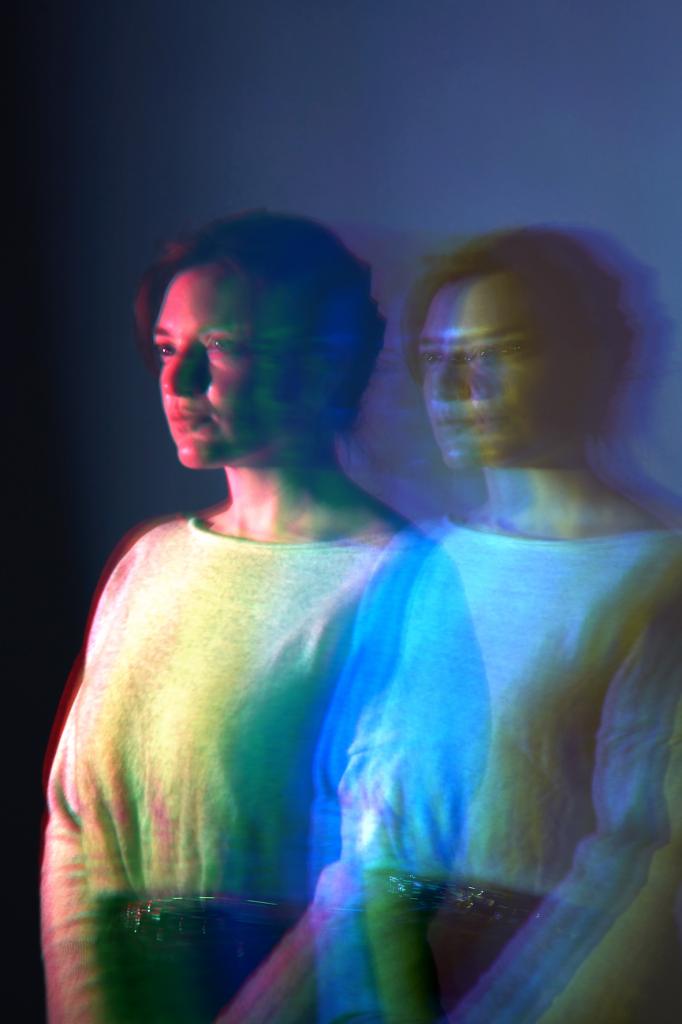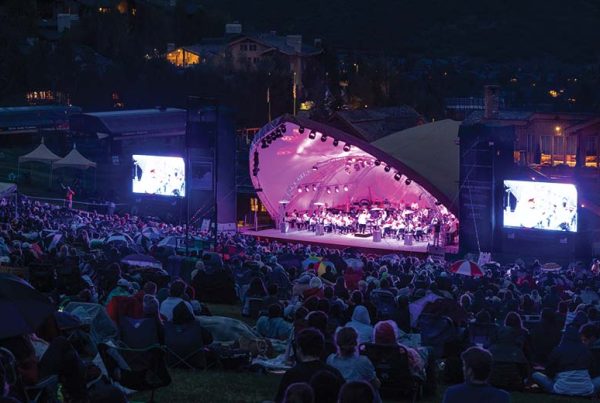

Josh Ritter returns to Utah for a two-night nearly sold out run at The State Room next week. Doors are at 7pm both nights.
When I first saw Josh Ritter play at Urban Lounge in the early aughts, one image remains all these years later: his constant smile while performing. It’s hard to recall any frontman who enjoyed singing and playing for a crowd more than he did. What’s more, it was no put-on persona. My girlfriend and I hung around outside his bus afterward long enough for him to finally come out, pose for a few photos, and answer all the questions we could come up with.
All these years later, it’s good to discover some things remain incredibly the same. I caught up with Ritter when he was at home in New York a few weeks back. We chatted about last year’s album, how Bob Dylan inspired him to choose a life of song, how writing songs led to writing books, and how important creating fun is to his creative process.
I wasted no time: I really wanted to know how he ended up writing an album with Bob Weir.
Q: YOU AND BOB WEIR. HOW DID THAT HAPPEN?
Ritter: “I met Bob through Josh Kaufman, who played with me. It was one of those moments: Josh had worked with Bob on a project called Day of the Dead, and Bob started talking about how much he loved those old cowboy songs; he’d worked at a ring chain in Wyoming when he was young. When Josh told me that, it hit me hard. I grew up in Idaho, and it’s not unlike Wyoming. I love those songs, too. I thought, well, to be able to write a song, and hear Bob Weir’s incredible voice, it set something off in me. I started writing and writing and writing.”
Q: SO YOU STARTED WRITING BEFORE YOU EVEN SPOKE TO HIM?
Ritter: “We were both in separate airports, Josh and I, and he told me about his conversation with Weir before boarding his plane. While on my plane, I worked up a couple songs, rough lyric ideas, and sent them to him. It was within hours.”
Q: THEN IT WAS OFF TO THE RACES?
Ritter: “Then it was off to the races, yeah. It was a real learning experience for me, because I hadn’t co-written with anybody before. Here’s Bob Weir, who’d worked with people like Robert Hunter and John Perry Barlow, these incredible writers, and he was already used to that idea. He taught me a lot. I still can’t believe my good fortune.”
Q: WHEN YOU SAY OLD COWBOY SONGS, ARE WE TALKING MARTY ROBBINS ERA?
Ritter: “Marty Robbins. Hank Snow. Jimmie Rodgers doing “Waiting For A Train.” Old stuff. Bob wrote a song on the record (Blue Mountain) I loved called “Ki-Yi Bossy,” a straight up cattle call song he turned into a beautiful, hopeful lament. He had all those songs stored up in him and waiting to come out. He’d had them in his head all that time.”
Q: AND HE WAS SOMEONE YOU’D ADMIRED?
RItter: “Yes. The Grateful Dead were so deeply in the water of American music that there was no way I could become who I became without them. And it wasn’t that I was so familiar with their music as I was following in the footsteps of their travels across America and their relationships with their audience. We’ve all been trained in a certain way by the Dead.”
Q: I LOVE THAT YOU DIVERTED YOUR PATH FROM NEUROSCIENCE TO MUSIC. WAS THERE A CERTAIN SONG OR EXPERIENCE THAT TRIGGERED THAT TURNING POINT?
RItter: “Oh, yeah. I can take it down to a single instant. I heard Johnny Cash and Bob Dylan sing ‘Girl From The North Country,’ from 1969’s Nashville Skyline. At that moment I decided, oh, I don’t have to be a cartoon character to make music. I can make music that sounds like it needs a shave. To me, that was very attractive. Grunge didn’t hit Idaho in Moscow. (Maybe it did, but we were already wearing plaid.) I didn’t have any concept of being in a band, but when I heard that song, it hit me with the force of somebody who’d heard Sex Pistols or Nirvana for the first time. It was raw and crazy sounding music to me. I knew it was something I related to.”
Q: AND YOU UNDERSTOOD THAT YOU COULD DO THE SAME THING.
Ritter: “I don’t know that I felt like I could do the same thing, but it was speaking to me in a language that was familiar, that no one had ever spoken to me before.”
Q: SO, MORE LIKE AN AWAKENING OF SORTS.
Ritter: “Exactly. It woke something up in me that I didn’t know was there. It was very primal. It went deep. Like when you get out of the car or plane, and experience that first smell of being back at home.”
Q: WHAT MIGHT PRESENT DAY JOSH RITTER SHARE WITH WHO YOU WERE IN YOUR TWENTIES, AT THE BEGINNING, IN WAY OF CAREER ADVICE?
Ritter: “First off, I’d say you’re on the right track. Don’t look to the side. Second: the things you think are important when you’re that age are what you need to be protected from. Some people get a bunch of notoriety and that separates them from the art. It forces them to make artistic decisions they might not make. Enjoy the bright lights, just don’t be distracted by them.”
Q: SO WERE YOU DISTRACTED AT ANY POINT?
Ritter: “Yeah, and it’s a constant. It’s exciting and it’s fun. When you’re playing music in your room, you’re so alone, the idea of going out and getting applause and receiving money for your joy can be very distracting. At the same time, there are richer rewards.”
Q: AND WHAT’S YOUR JOURNEY BEEN LIKE?
Ritter: “It’s been a fucking adventure. Amazing. I mean, I own my own publishing. So when an opportunity comes in to give a song to a project, it returns me back to the original work and the adventures that I’m going to go on. My life now is so wonderful and fun with my family, and that has come out of my relationship to the music I’m constantly reworking. It’s never become something I’ve taken for granted.”
Q: OWNING YOUR OWN PUBLISHING SEEMS THE WAY TO GO, NO?
Ritter: “It’s nice because, over time, there’s a lot of projects and songs that don’t get recorded. This way, they don’t have to live on an island of the never heard. It’s all stuff I can rework and put out once it feels mature enough. There’s no red tape. When The Historical Conquests of Josh Ritter was being made, it was on Sony Columbia. Their portion of the label went out of business and we were making the record knowing that it had no real release future. We didn’t know what was going to happen.”
Q: AND WHILE RECORDING IS A LOT OF FUN, SO IS GETTING HEARD.
Ritter: “Yeah, I want my music to be heard by as many people as possible. There’s always that joy of trying to figure out how you’re going to do that. It’s part of the fun of putting out a record. How are we going to be creative? How are we going to move our own joy forward so we’re excited to wake up in the morning? A big organizational philosophy is, well, how do you make this fun? Because there’s a lot that may not be fun. There are invoices. Warehouse fees. All kinds of stuff. The joy is figuring out how to do it and make it a righteous act.”
Q: THAT TIES INTO THE NEW ALBUM A BIT, DOESN’T IT? OF ADDRESSING YOUR MUSE RATHER THAN BEING ADDRESSED BY IT?
Ritter: “Yeah. It’s more of an active sense of participation. At this point in my life, I’m realizing that all my writing life, there’s been somebody over my shoulder helping me out and doing it for what I would assume to be scraps of the feast I’m getting. On this one, I thought I’d open the door, lay out the table, and work on this together. The muse became more like a collaborator.”
Q: OUR LOCAL KRCL DEEJAYS LOVE PLAYING “HONEYDEW (NO LIGHT)” ON THEIR AIRWAVES.
Ritter: “I was psyched about that one. It was fun to record. My dad moved up to Minnesota; I spent a lot of time driving around there. I love the quality of the names of all those towns, like Bemidji and Grand Marais. All those places were in my head.”
Q: WHAT INSPIRES YOU? ALWAYS REMAINING OBSERVANT, MAYBE?
Ritter: “Definitely. I hope to fill your mind with ideas and stories from all over, experiences from my life, random bits of dialog heard on the street. I think about it like the witch’s cauldron from Macbeth, where the witches are pouring in everything but the kitchen sink. Eye of Newt. Leg of weevil. I try to turn it into the thing it wants to be, and out of that swirls the magic.”
Q: I THINK ONE OF THE HARDEST PARTS OF YOUR JOB WOULD BE REMEMBERING ALL YOUR LYRICS.
Ritter: “It’s funny how memory works. There are times I’m working and writing the song down and, by the time I’m done, I understand. I remember it. Other times I’m on stage singing a song I’ve sung for 25 years, and the word drops out of my head. Memory is so strange. You grow up with songs and sing them forever, and they become like friends, so you don’t forget them. You can sing and think about a-million things during the song, and still the words keep coming.”
Q: AND NOW YOU’VE GOT DYLAN HIMSELF SINGING SONGS YOU’VE WRITTEN. KIND OF A FULL CIRCLE MOMENT?
Ritter: “Oh my gosh, yeah! After he performed “Only A River” the second time, I found a way to send him a note and told him exactly that — it was a full circle moment. Not only that, I learned how to fingerpick on guitar by trying to figure out how he did it. When I first heard him fingerpick, I thought there were two guitar players. It was fun to be able to share that with him. I don’t know if he ever got my note, but it’s important to pass that stuff along.”
Q: DID YOUR SONGWRITING LEAD NATURALLY TO BOOK WRITING?
Ritter: “It did. There is a beauty and concision with songwriting that’s so satisfying. You say so much with a few words, and I love that. But I started to get the idea that you can say a lot, too. There were stories I wanted to follow a little farther and see if I could unfold them, stories that might start as songs that I could unscroll into something larger. The concision is still there, just in a bigger format. I don’t have to rhyme quite as much, but rhythm is still super important.”
Q: ANY AUTHORS THAT HELPED WITH THAT PROCESS?
Ritter: “Definitely. One of my favorites is Muriel Spark who wrote books like The Prime of Miss Jean Brodie and Loitering with Intent. They’re like when the guy at the diamond store pulls open the big drawer with all the jewels in it. They’re tiny, but sparkling. They still seem huge and perfectly cut. That’s how her sentences are. When I write, I aspire to write like her.”
Q: ANY OTHER BOOKS THAT YOU’RE WORKING ON?
Ritter: “I just finished up a draft. I’m about to send it away to see what my agent thinks. It was a lot of fun to do. I’d call it a more cuddly take on Animal Farm.”
Q: ONE LAST CURIOSITY: PLAYING WITH THE FRAMES. I DIDN’T KNOW THAT BIT OF YOUR HISTORY UNTIL RECENTLY, AND I LOVE GLEN HANSARD.
Ritter: “Oh, that was amazing. When I was first starting out in Boston. I was playing off my mics and temp working, and Glen came in to play a song with a friend of his. He was playing down the street, a real show, and I heard him. You know what everybody thinks when they hear him play, which is: this is astounding! He heard me play and he invited me to Ireland to open for The Frames. He may have been joking, but say no more. In fact, don’t say anything more! That was my education in playing with the band. I’d never seen anything like it. Those guys are beasts.”
Q: GLEN’S A GUY WHO DOESN’T NEED TO USE A MICROPHONE EVER IN HIS LIFE, AND YOU’LL STILL HEAR HIM, NO MATTER WHERE YOU ARE IN THE ROOM.
Ritter: “Quiet. Loud. Doesn’t matter. He just hones in on what he’s doing. It’s remarkable.”
Tickets are scant, but still available. Get yours.
Read more of our Music coverage and get the latest on the Arts and Culture scene in and around Utah. And while you’re here, subscribe and get six issues of Salt Lake magazine, your curated guide to the best of life in Utah.