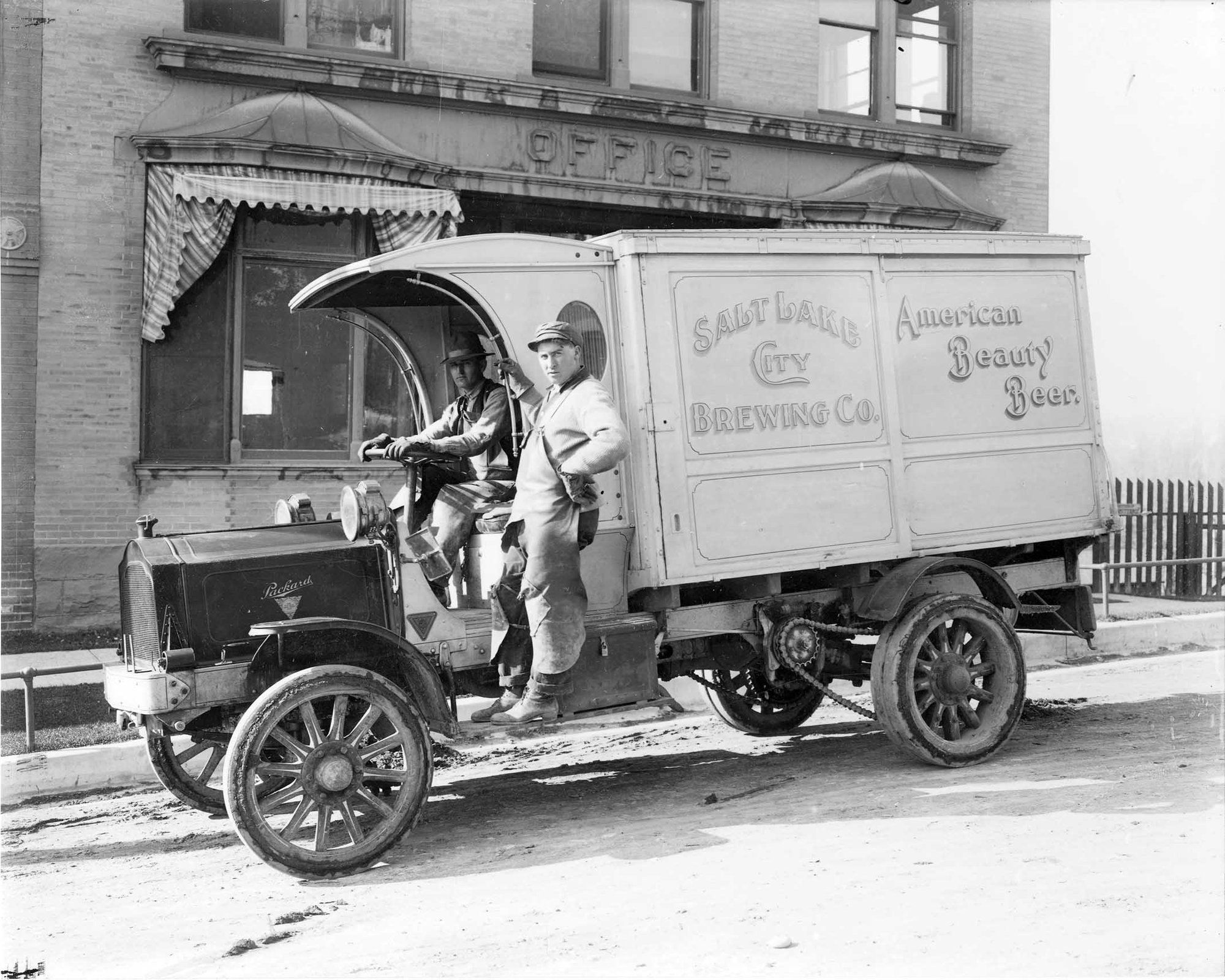
Forget Portland, Denver, and San Diego, Salt Lake City was once poised to become the beer capital of the American West. In the 19th century, the mining craze ensured the consistent patronage of parched workers, and access to mineral-rich mountain water provided a flavorful base for high-quality beer.
The completion of the transcontinental railroad in 1869 further catalyzed the beer boom, as an influx of German and Irish immigrants introduced purity law standards, cutting-edge refrigeration equipment, and cultured yeast. One such immigrant was Jacob Moritz, a Bavarian businessman who came to Utah in 1871 and served as vice president, treasurer, and general manager of Salt Lake City Brewing Co. on the corner of 1000 East and 500 South.
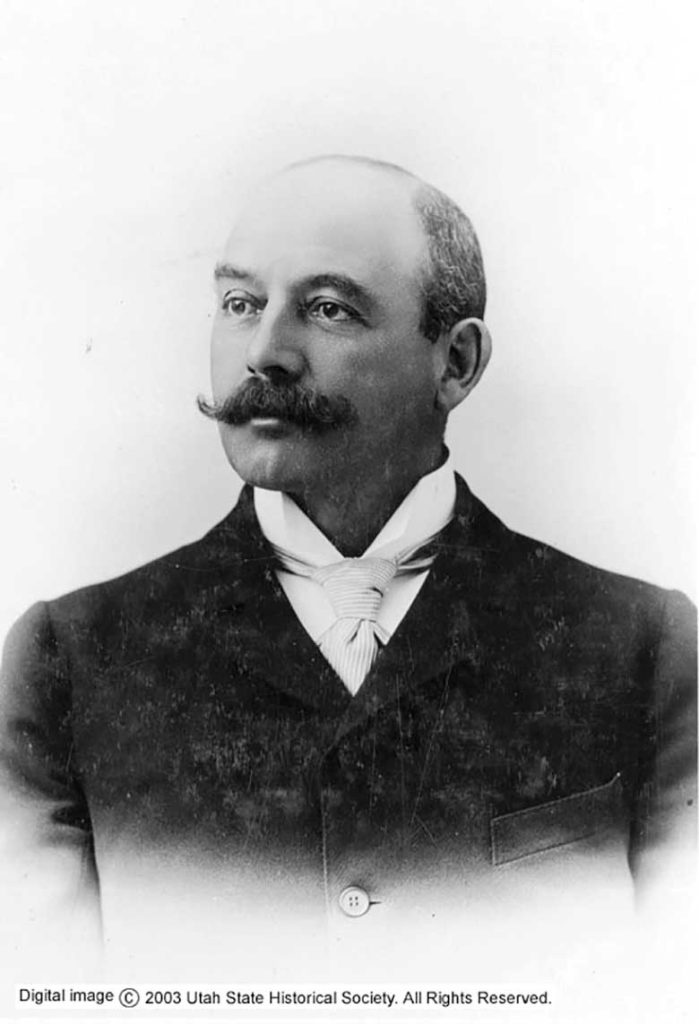
Under Moritz’s shrewd leadership (which included vertical integration of barley farms and stints in local politics), the enterprise grew into the largest brewery west of St. Louis. Moritz’s social and fiscal standing also rose as he came to own and operate 36 local saloons exclusively peddling Salt Lake City Brewing Co. beer. At its peak, the brewery produced 100,000 barrels of beer annually.
Salt Lake City Brewing Co. enjoyed a period of industry-wide success alongside other local breweries like A. Fisher Brewing and Becker Brewing & Malting Company before the temperance movement got its claws into Utah’s legislature. When Gov. Simon Bamberger officially signed prohibition into statewide law in 1917, many breweries pivoted production to make “near beer” (nonalcoholic beer), soft drinks, and even candy, in Salt Lake City Brewing Co’s case. The Hail Mary strategy didn’t take, and the brewery ceased operations in 1917.
The “Castle on the Hill” stood empty for a few more years until a fire destroyed the main building. In a bizarre twist of fate, the original office survived the blaze and was reimagined as 32 themed suites under the Anniversary Inn umbrella – proving the age-old adage that beauty is in the eye of the beer holder, and the results belong in a honeymoon suite.
‘EMO, EMO, EMO’
In life, Moritz was an exemplar of immigrant entrepreneurship, having transformed a small local operation into a pre-Prohibition industrial powerhouse. But in death, his legacy has crept into supernatural folklore enticing generations of thrill-seekers. Moritz’s grave, a gothic mausoleum in the Salt Lake City Cemetery, is colloquially known as “Emo’s Grave” and has become a so-called hot spot for paranormal activity. Legend has it, if you circle the grave while murmuring “Emo” three times, a pair of menacing red eyes will glare back at you from the inside.
Haven’t subscribed yet? You’re missing out. Head over to our subscribe page and get six copies a year of Salt Lake magazine.