Presenting more than 500 of Utah’s leading physicians in 67 specialities, as voted by their peers.
To help prepare our list of top doctors in Utah, we tapped Utah-based, state-licensed physicians across the state to nominate their peers and screened each nomination through Professional Research Services. The resulting directory includes 573 doctors across 67 specialties.
As we were compiling our list, we also identified three individuals in the healthcare sector impacting the way Utahns receive care — both present and future. We asked them to share their thoughts on the technology, education, and research that will shape our state over the next decade, particularly regarding the opportunities and challenges presented by Utah’s rapid growth.
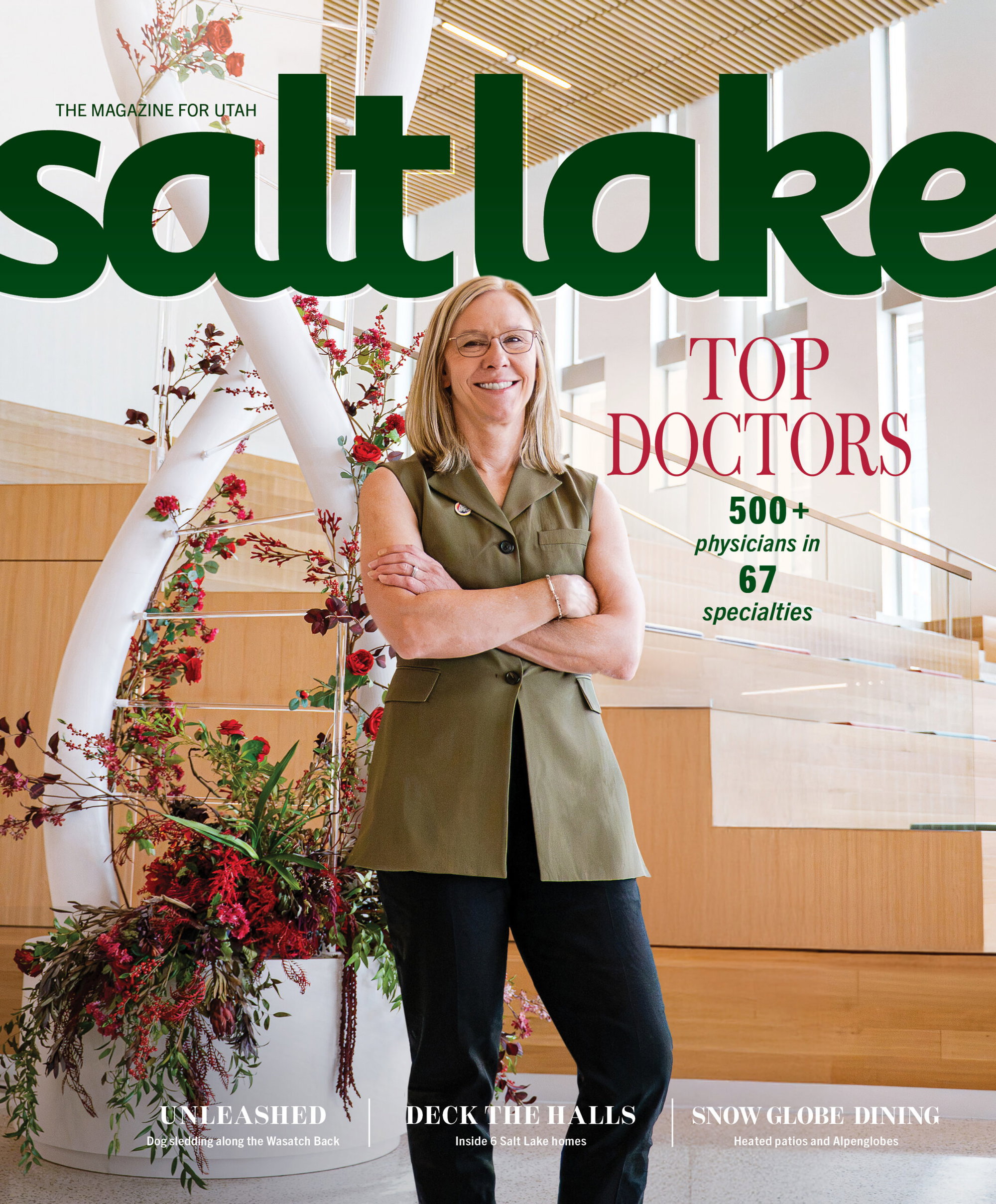
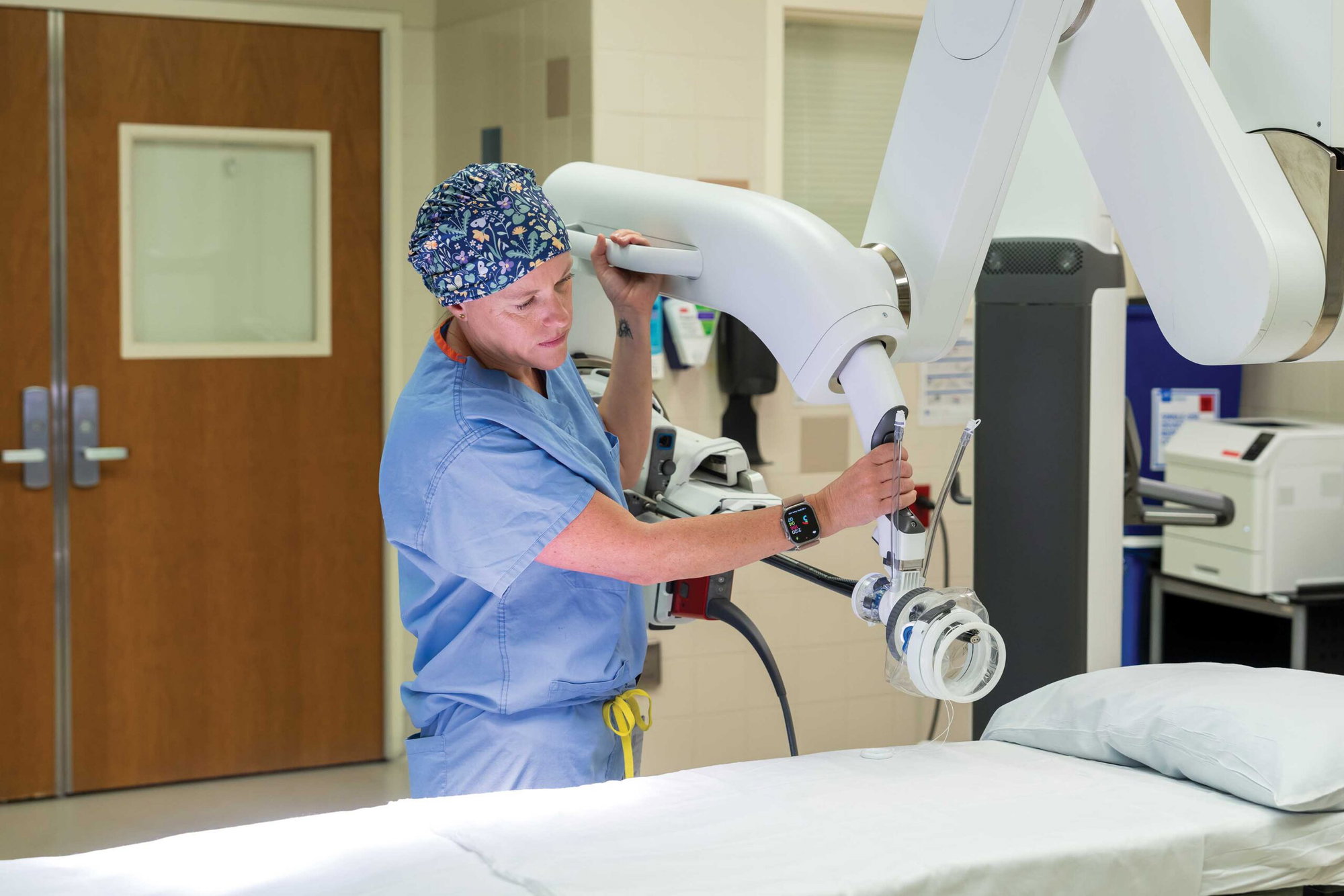
Our cover star, Dr. Kristina Callis Duffin, dean of the new Spencer Fox Eccles School of Medicine, shares exciting educational opportunities for medical students at the University of Utah that will no doubt impact the next generation of doctor-patient relationships. Dr. Kelly Hewitt reflects on changes that robotic integration will have on cancer treatment after she performed the first robotic mastectomy in the Mountain West back in August. And BioUtah CEO Kelvyn Cullimore praises Utah’s many life sciences companies (Utah was recently ranked third in the nation for life sciences job growth) for developing breakthrough medical devices that will transform cardiology treatments, from valve replacements to rhythm management. Find all 573 physicians, and hear from three leaders in healthcare, below.
Salt Lake Magazine’s Top Docs 2026
The Future of Life Sciences
Kelvyn Cullimore
President and CEO of BioUtah
Building on Utah’s legacy of pioneering the artificial heart transplant, our state continues to lead in cardiovascular innovation. Could you highlight a local company advancing next-generation medical devices, such as heart valve replacements?
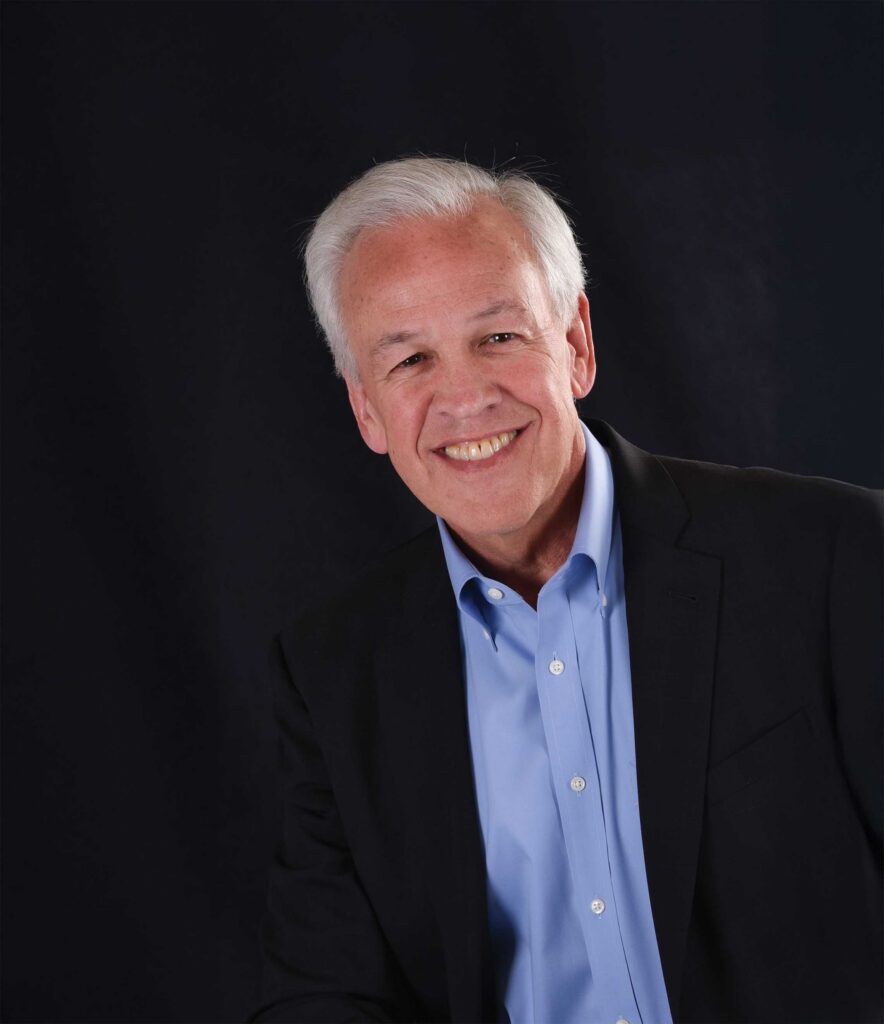
“There are multiple examples of advances in the cardiac space. Edwards Lifesciences has developed a device that is referred to as transcatheter aortic valve replacement, or TAVR. It is a process by which an aortic valve can be replaced through the femoral artery, eliminating the need for open-heart procedures. Merit Medical has numerous cardiac products, including cardiac catheters, balloons, embolics, electrophysiology, guidewires, inflation devices, cardiac kits, stents, and structural heart products.:
BioHive leads education and community-building efforts alongside BioUtah to strengthen our life science ecosystem. Could you expand on some of BioHive’s key workforce development initiatives?
“The BioHive Returnship program cultivates a growing awareness of returners and prepares them for career re-entry while working to generate more opportunities for returners in Utah life sciences. The Talent Hub developed by the Utah System of Higher Education in partnership with BioUtah is a platform for matching up students with internship opportunities.”
Our state boasts the third-highest life science job density in the U.S. What makes Utah such a powerful catalyst for growth, talent recruitment, and innovation in this sector?
“Utah has been one of the fastest-growing life sciences communities in the country for the past decade. Our state is an attractive venue for life sciences companies for the following reasons: Our state’s workforce is highly educated and has a reputation for being very hardworking. The growth over the last decade or more has led to Utah having a critical mass in the medical device/diagnostic industry. We are seeing growth in pharmaceutical manufacturing as well and were recently identified by a national publication as an emerging biopharma center. Research universities are another large attraction. BYU, U of U, and USU are all R1 universities with significant resources allocated to research and development.”
The Future of Cancer Care
Dr. Kelly Hewitt
Oncologist at Huntsman Cancer Institute
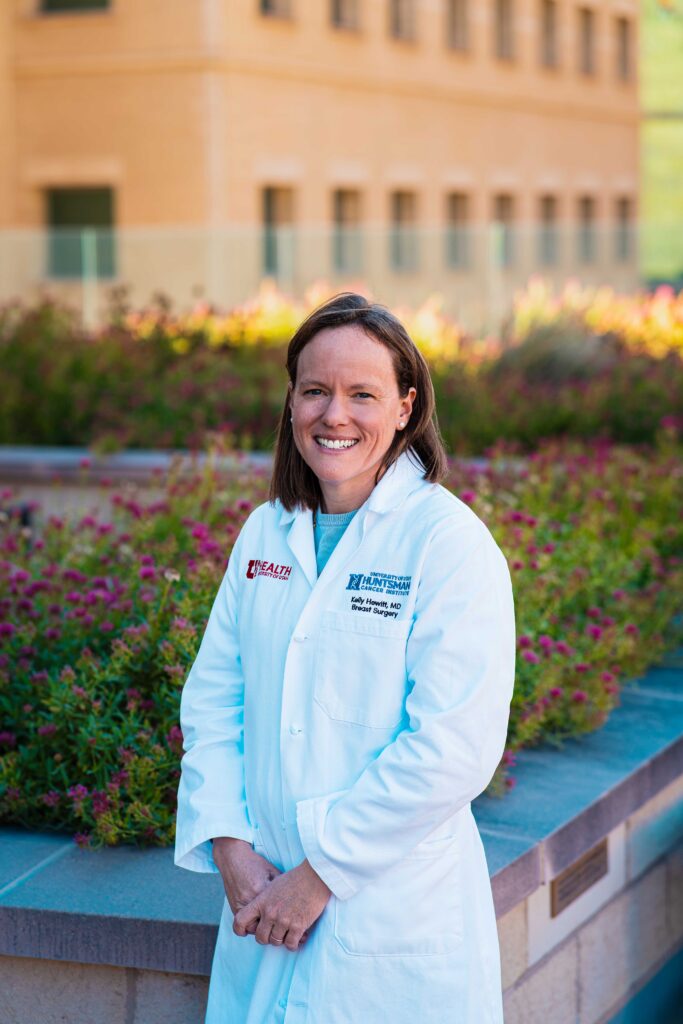
You recently performed the first robotic mastectomy in the Mountain West. Can you explain how this technology changes the surgical experience?
“The main difference between a robotic-assisted nipple-sparing mastectomy and the traditional open nipple-sparing mastectomy is that we are performing the surgery through a much smaller and more hidden incision and therefore improving the cosmesis. This technique just became FDA approved this past December, and we are currently the only center performing this surgery in the Mountain West.”
Beyond the technical milestones, how has the integration of this robotic program directly transformed the day-to-day patient experience and recovery process at the Huntsman Cancer Institute?
“We are still in the early stages of providing this surgery, but I am certainly excited about the possibilities. Currently, patients are spending one night in the hospital, but in the near future, I anticipate that most patients who have this surgery will be able to go home the same day.”
As the medical field rapidly integrates leading-edge technology and robotics, where do you see the future of cancer care heading?
“Robotic-assisted surgery overall isn’t new, but using it in the breast surgery space is a new evolution. I’m excited to see how the robotic platform may also be able to integrate future tumor visualization models, enhanced nerve preservation, and additional advancements down the road. We are fortunate to have access to cutting-edge technology and innovation at Huntsman Cancer Institute, and I can only imagine where cancer care will be five to 10 years from now. Breast cancer care is increasingly becoming more personalized and tailored to each individual and the specific type of cancer they have.”
The Future of Medical Care
Dr. Kristina Callis Duffin
Dean of Spencer Fox Eccles School of Medicine
The U’s medical students were scattered for years. Now that they have a ‘home base,’ how do you think their learning experience will change?
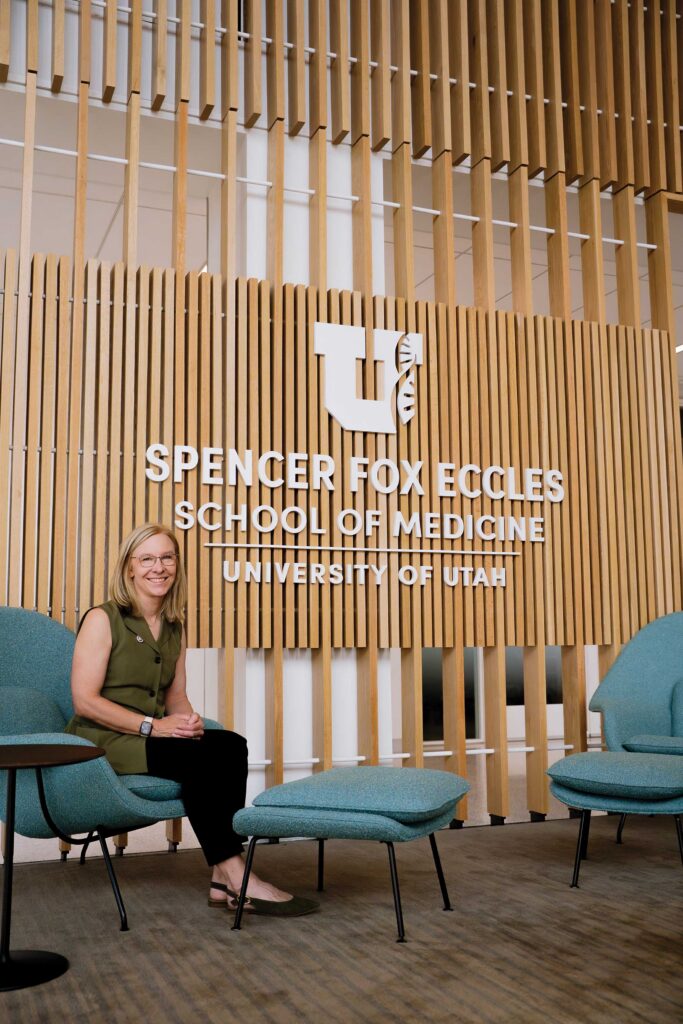
“For years, the medical students were spread around in different buildings across campus for clinical spaces and research labs while also sharing those spaces with many other programs across health sciences. Now, all core classrooms and simulation laboratory experiences are housed in one building. They also have dedicated social spaces for student activities, lockers, cafés, dining halls, and more. This is where they create community within their classes, and after venturing out for clinical education, they’ll return to this home base. I think that all of our students certainly recognize the gravity of the fact that we’re all in the same building together. I think they are grateful and appreciative that they can finally do that.”
2026 marks the first year that all medical students will be on the new “Mission-Driven MD” curriculum established in 2023. How does this new educational framework better prepare students for the real world?
“We very intentionally designed this building and the curriculum together over a 14-year period, so they play off each other to give students the best possible opportunities.
The new curriculum creates a more cohesive learning environment and builds a stronger relationship between students and preceptors, who are then more likely to write letters of recommendation. The new longitudinal clerkship model, which students encounter in the second phase, replicates the outpatient world of medicine and gives students a broader foundation of medicine as a whole. That’s the idea: for medical school to reflect actual practice.”
As one of the fastest-growing states in the country, Utah faces a critical need for physicians. How do you prepare or encourage students to take their talents into Utah’s rural or underserved communities?
“The best predictor of students practicing in Utah is training in Utah. So if we want primary physicians in rural areas, we have to train them in those areas. That’s what our program with our Southern Utah Regional Medical Campus aims to do: embed students in rural areas early on.
Another thing we hope to integrate in the future is a direct early admissions program for students who identify early on that they want to do primary care in a rural location. It would allow them direct admission in the first year and compress four years of medical school into three. It saves students and the program money and allows them to enter the workforce earlier.”
While you’re here, subscribe to Salt Lake magazine to receive six beautiful print issues a year!