
If you find yourself rolling a more top-heavy trash bin to the curb during the holidays, you are not alone. WasteLess Solutions is a local organization dedicated to reducing food waste and redirecting food to those who need it most. Laila Hakkarinen, WasteLess’ community engagement manager, notes that holidays mark a significant rise in food waste. “As consumers, we’re buying more food, preparing larger meals, entertaining more often, and often purchasing food specifically for a single occasion.”
The Environmental Protection Agency estimates that household garbage increases by approximately 25% between Thanksgiving and New Year’s Day, with food making up a large portion. According to national food waste tracker ReFED (refed.org), Americans tossed tossed about 320 million pounds of food just on Thanksgiving in 2025. That’s $550 million worth of food in the trash, or roughly 267 million meals. Per ReFED, turkey accounts for 40% of Thanksgiving food waste, and more than 90% of hosts purposely prepare more food than necessary to feed the folks at their table.
Best-case leftovers scenario: That’s a lot of turkey sandwiches.
The good news is that this problem can be solved — in big lifts like WasteLess Solutions’ efforts and in household-level behavioral shifts that you can implement immediately. Here are some tips from WasteLess to help you get started.
ADD A SEAT AT YOUR TABLE
Every year around Thanksgiving, WasteLess runs the Add a Seat at Your Table initiative, encouraging $25 donations that help provide prepared meals and groceries to families in need. It’s the organization’s busiest time of year, and much-needed financial donations of any amount can help cover the costs of increased food rescue volume and associated staff support.
DONATE YOUR TIME AND TALENT
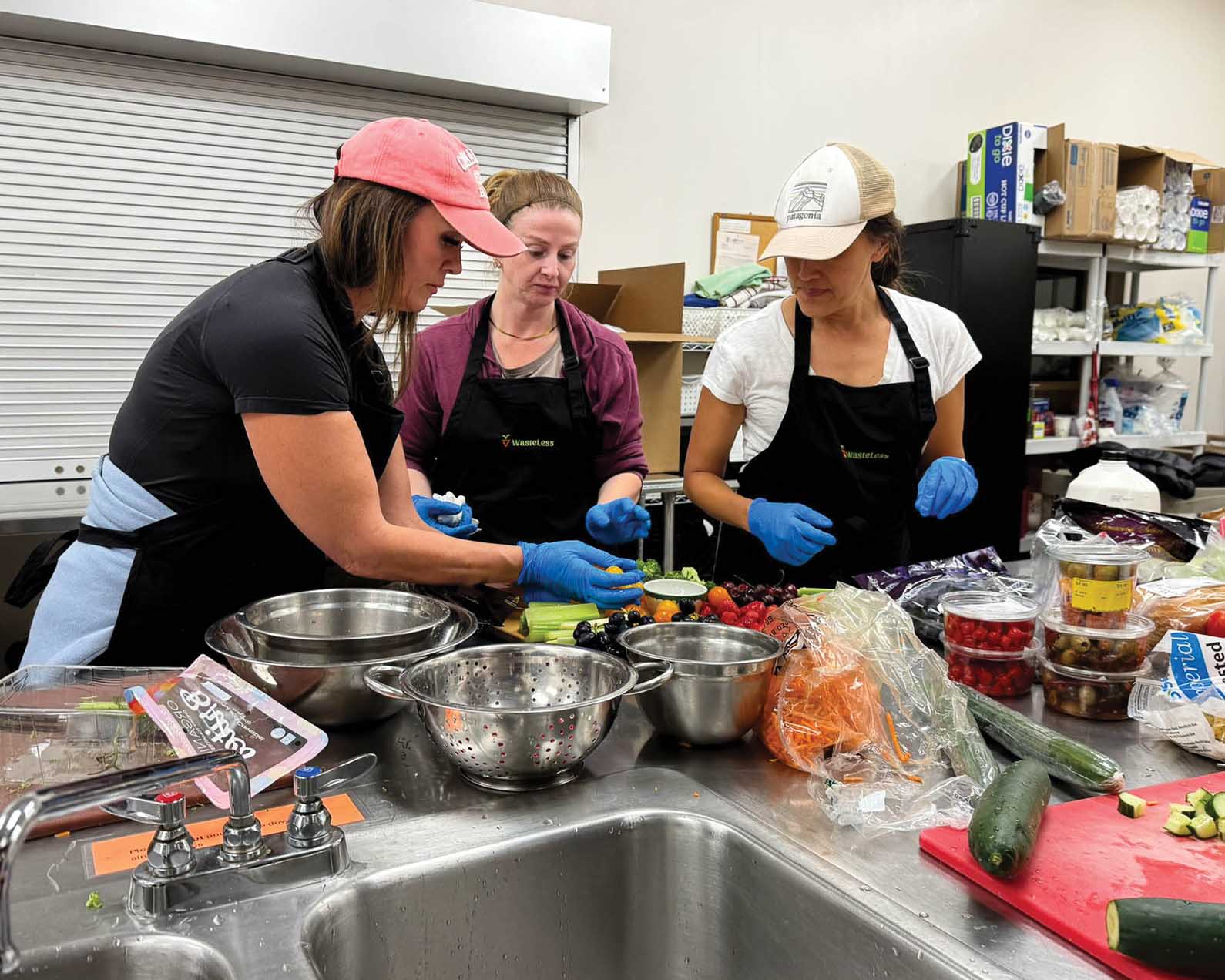
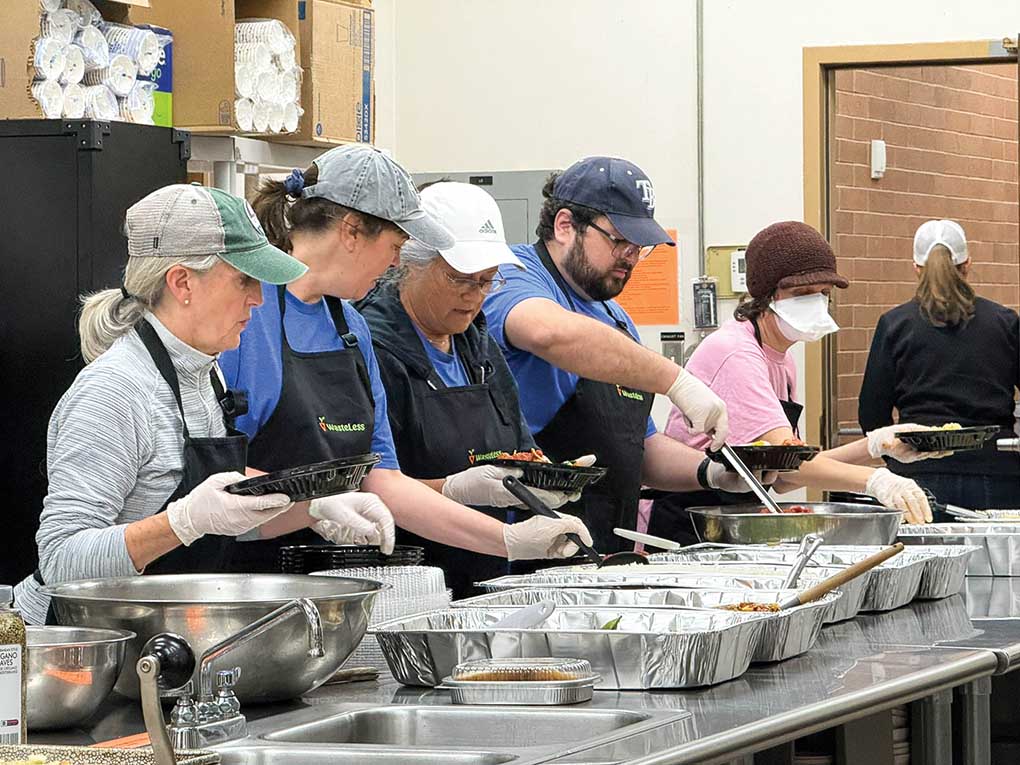
Food banks and other community organizations see a big uptick in need during the holidays, as they provide food and necessities while the school resources that many families rely on are closed. Volunteer your time to pick up surplus food or donate funds when these organizations face their highest demand. WasteLess also welcomes volunteers to help with meal preparation and Mobile Markets.
REDUCE FOOD WASTE AT HOME
“I think the biggest thing is to change the mindset from ‘How do I get rid of this?’ to ‘How can I use this?’” Hakkarinen advises. “Simple changes like planning before you shop, buying just what you need, eating your leftovers, learning proper food storage, understanding date labels, and befriending your freezer can reduce food waste significantly at home.” Fortunately, WasteLess offers an online course centered on these practices.
SUPPORT LOCAL BUSINESSES
Kathryn Buntain, WasteLess’ food rescue operations director, works with several Utah businesses that build food waste reduction and redistribution into their workflows. For example, local farm Keep It Real Vegetables received a grant to help cover the costs of growing the fresh produce that WasteLess distributes in the community, directly addressing food insecurity.
Buntain also praises caterers Lux and Have Party Will Travel: “Both organizations already do a fantastic job minimizing food waste at their events, but when they do end up with excess, they ensure it goes to our community instead of the trash.” Local businesses Baby’s Bagels and Délice French Bakery and Café also donate baked-goods overages to WasteLess.
However, food waste and food insecurity are year-round issues, and Hakkarinen acknowledges that addressing them requires awareness and coordination on many levels. “When we waste food, we waste the land, labor, water, and resources used to produce it,” she says. “Food waste is a systems problem, and individual choices are only one piece of the solution. There are things consumers can do at home, but we also need farmers, restaurants, grocery stores, institutions, nonprofits, and policymakers working together to change the way food moves through our communities.”
In other words, making the trash bin a little lighter this holiday season is just the first step.
Read more stories like this and all of our Community coverage. And while you’re here, subscribe and get six issues of Salt Lake magazine, your curated guide to the best of life in Utah.